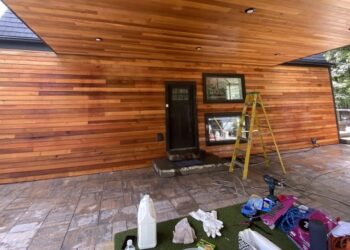

As stucco siding house takes center stage, this opening passage beckons readers into a world crafted with good knowledge, ensuring a reading experience that is both absorbing and distinctly original.
Stucco siding is a versatile and popular choice in residential construction, offering a unique blend of durability and aesthetic appeal. From its various finishes to installation processes, there's a lot to explore when it comes to stucco siding for your home.
Introduction to Stucco Siding Houses
Stucco siding is a type of exterior finish for houses made from a mixture of cement, sand, lime, and water. It is applied in multiple layers to create a durable and aesthetically pleasing finish for residential buildings.Stucco siding has become increasingly popular in residential construction due to its versatility, low maintenance requirements, and ability to enhance the curb appeal of a home.
Homeowners appreciate the wide range of colors and textures available with stucco, allowing for customization to match their desired aesthetic.
Benefits of Choosing Stucco Siding
- Durability: Stucco siding is known for its longevity, with proper maintenance it can last for decades.
- Energy Efficiency: Stucco provides excellent insulation, helping to regulate indoor temperatures and reduce energy costs.
- Fire Resistance: Stucco is non-combustible, adding a layer of protection to the home in case of a fire.
- Customization: Stucco can be tinted to a wide range of colors and textured to achieve different looks, making it a versatile choice for homeowners.
- Low Maintenance: Stucco requires minimal upkeep compared to other siding materials, saving homeowners time and money in the long run.
Types of Stucco Finishes
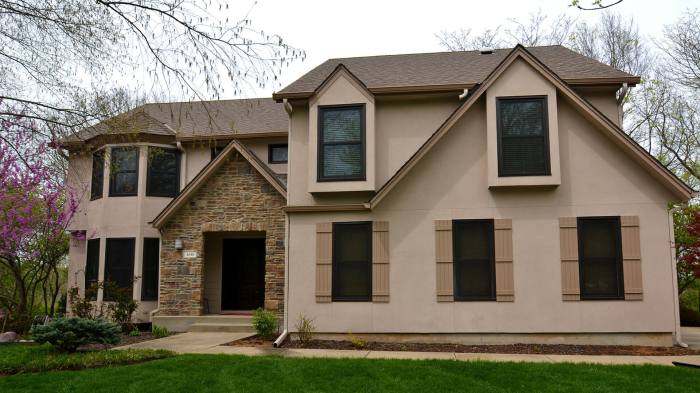
Stucco finishes offer a variety of options to enhance the aesthetic appeal of your home. From smooth to rough textures, and a wide range of color choices, stucco can be customized to suit different styles and preferences.
Smooth Stucco Finish
A smooth stucco finish provides a sleek and modern look to the exterior of a house. It is achieved by applying the stucco mixture evenly and then troweling it to create a flat, uniform surface. This finish is popular for contemporary and minimalist designs.
Rough Stucco Finish
On the other hand, a rough stucco finish adds depth and character to a home. This finish involves leaving the stucco texture more uneven and coarse, creating a more rustic or traditional appearance. It can provide a sense of warmth and charm to the exterior of a house.
Textured Stucco Finish
Textured stucco finishes offer a middle ground between smooth and rough surfaces. These finishes can mimic various textures such as stone, brick, or wood, adding visual interest and dimension to the exterior walls. Textured finishes can be customized to achieve a unique and artistic look.
Color Options
Stucco siding comes in a wide range of color options to complement different architectural styles and personal preferences. From earthy tones like beige, tan, and brown to bold hues like red, blue, and green, there is a color to suit every taste.
Some homeowners even opt for custom color mixes to achieve a truly one-of-a-kind look for their stucco siding.
Installation Process
When it comes to installing stucco siding on a house, there are several important steps that need to be followed to ensure a successful outcome.Proper preparation before applying stucco is crucial to the overall durability and appearance of the finish.
This includes cleaning the surface thoroughly, repairing any damage or imperfections, and applying a suitable base coat to promote adhesion.
Steps Involved in Installing Stucco Siding:
- Prepare the surface by cleaning and repairing any damage.
- Apply a bonding agent or base coat to promote adhesion.
- Apply the stucco mixture evenly using a trowel or sprayer.
- Texture the stucco as desired before it dries completely.
- Cure the stucco properly to ensure long-lasting results.
Importance of Proper Preparation:
Proper preparation is essential to ensure that the stucco adheres well to the surface and prevents issues such as cracking or peeling over time. It also helps to create a smooth and uniform finish that enhances the overall aesthetic appeal of the house.
Impact of Weather Conditions:
Weather conditions can significantly impact the installation of stucco siding. Extreme heat or cold, high humidity, or heavy rain can affect the drying and curing process of the stucco, leading to potential issues with the finish. It is crucial to choose the right time and conditions for stucco installation to achieve the best results.
Maintenance and Care

Maintaining your stucco siding is crucial to ensure its longevity and keep your home looking its best. By following some simple tips and being proactive with inspections and repairs, you can prevent common issues and preserve the beauty of your stucco exterior.
Regular Cleaning
- Regularly wash your stucco siding with a garden hose or pressure washer to remove dirt, dust, and debris that can accumulate over time.
- Avoid using harsh chemicals or abrasive materials that can damage the stucco finish.
- Inspect for mold or mildew growth and clean it promptly with a mixture of water and mild detergent.
Preventive Measures
- Keep vegetation trimmed back from the stucco to prevent moisture buildup and potential damage from roots.
- Repair any cracks or chips in the stucco promptly to prevent water infiltration and further deterioration.
- Ensure proper drainage around your home to prevent water from pooling near the stucco siding.
Common Issues and Repairs
- Cracking: Regularly inspect for cracks and address them promptly by filling with an appropriate stucco patching compound.
- Staining: Address any stains on the stucco promptly using a mild cleaning solution or professional cleaning services if needed.
- Efflorescence: If you notice white, powdery deposits on the stucco surface, clean it with a stiff brush and water to prevent further buildup.
Importance of Inspections
- Regularly inspect your stucco siding for any signs of damage, wear, or moisture infiltration to catch issues early.
- Professional inspections every few years can help identify hidden problems and ensure your stucco siding is in good condition.
- Addressing issues promptly can prevent costly repairs down the line and prolong the lifespan of your stucco siding.
Design and Architectural Considerations
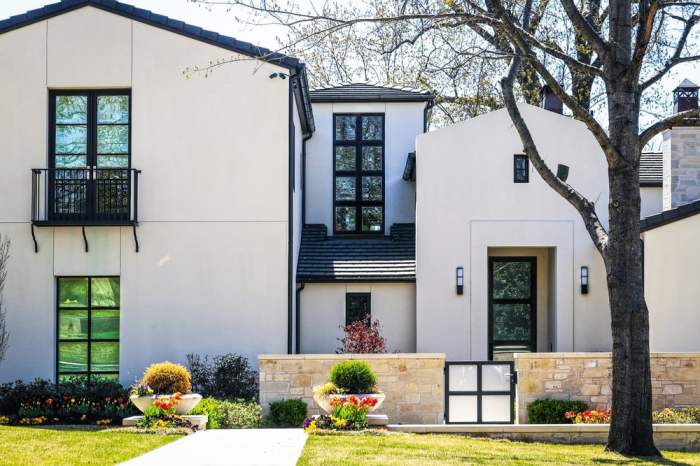
Stucco siding can significantly enhance the architectural style of a house, giving it a timeless and elegant look. Its versatility allows for various design options that can complement different architectural styles.
Incorporating Stucco Siding with Other Exterior Materials
When incorporating stucco siding with other exterior materials like stone or brick, it is essential to consider the overall aesthetic appeal and ensure a cohesive design. One popular approach is to use stucco as the primary siding material and accent it with stone or brick elements, such as around windows or entryways.
This combination creates a visually appealing contrast that adds depth and character to the exterior of the house.
Creative Design Ideas Using Stucco Siding
- Two-Tone Stucco: Using two different colors of stucco can create a striking visual effect, highlighting specific architectural features of the house.
- Stucco Accents: Incorporating stucco accents, such as arches, columns, or decorative trim, can add a touch of sophistication and elegance to the overall design.
- Textured Stucco Finishes: Opting for textured stucco finishes, like dash or lace textures, can add depth and visual interest to the exterior walls, giving the house a unique and personalized look.
- Modern Stucco Panels: Installing stucco panels in a contemporary pattern or design can lend a modern and sleek aesthetic to the house, perfect for minimalist or modern architectural styles.
Conclusion
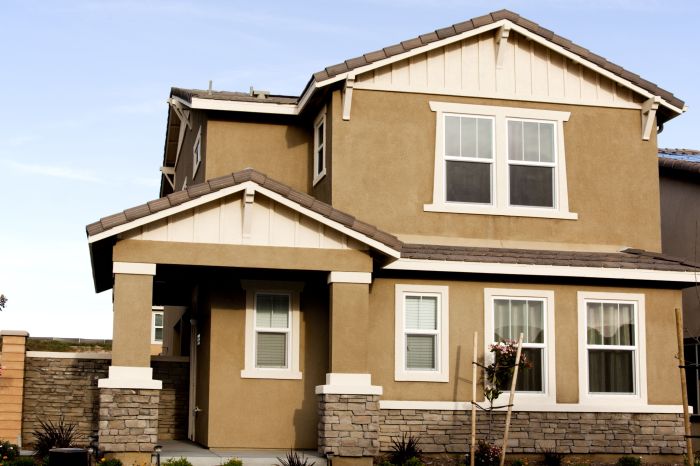
In conclusion, stucco siding houses offer a timeless elegance and practical benefits that make them a top choice for homeowners. By understanding the installation process, maintenance tips, and design considerations, you can create a stunning exterior that stands the test of time.
Dive into the world of stucco siding and elevate your home's curb appeal today.
General Inquiries
How long does stucco siding typically last?
With proper maintenance, stucco siding can last up to 50 years or more, making it a durable choice for homeowners.
Can stucco siding be painted?
Yes, stucco siding can be painted to refresh its appearance or change the color scheme of your home. Make sure to use breathable paint suitable for stucco surfaces.
Is stucco siding prone to cracking?
While stucco can develop hairline cracks over time, proper installation and maintenance can help minimize this issue. Regular inspections and repairs can address any cracks that may occur.
Can stucco siding be used in all climate conditions?
Stucco siding is suitable for various climates, but extreme temperature changes or excessive moisture can impact its longevity. Proper installation and maintenance are key to ensuring stucco performs well in different weather conditions.