
Delve into the world of scalloped exterior siding, a unique architectural element that brings charm and character to buildings. Learn about its history, materials used, installation techniques, design options, and more in this comprehensive guide.
Definition of Scalloped Exterior Siding
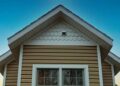
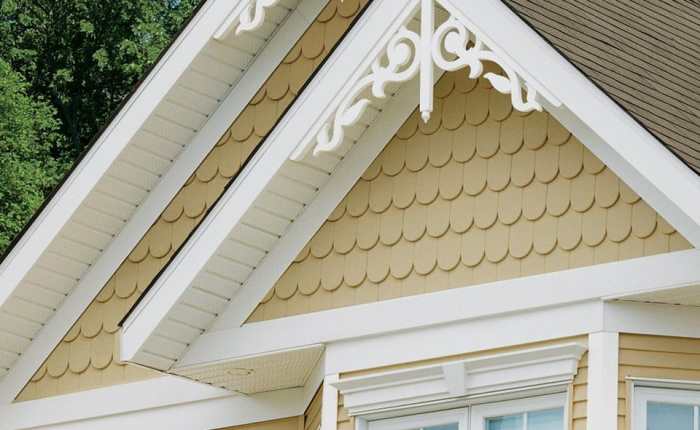
Scalloped exterior siding is a type of architectural cladding commonly used on the exterior of buildings. It is characterized by its unique scalloped or curved edges, which give a decorative and distinctive look to the facade of a structure.
Unique Features of Scalloped Siding
Scalloped siding stands out from other types of exterior cladding due to its ornamental design, which adds a touch of elegance and charm to a building. The scalloped edges create a sense of movement and rhythm along the exterior walls, enhancing the overall aesthetic appeal of the architecture.
Historical Significance of Scalloped Siding
Scalloped siding has a long history in traditional architecture, dating back to early colonial times in America. It was a popular choice for adding decorative elements to homes and buildings, reflecting the craftsmanship and attention to detail of the time.
Today, scalloped siding continues to be used in both traditional and modern architectural designs, adding a timeless and classic touch to various structures.
Materials Used in Scalloped Exterior Siding
Scalloped exterior siding comes in various materials, each offering unique benefits in terms of durability, maintenance requirements, and aesthetic appeal.
Vinyl
Vinyl is a popular choice for scalloped exterior siding due to its affordability, low maintenance, and wide range of color options. It is durable, resistant to rot, insects, and moisture, making it a long-lasting choice for homeowners. However, extreme weather conditions can cause vinyl to fade or become brittle over time.
Fiber Cement
Fiber cement siding is known for its durability, fire resistance, and low maintenance requirements. It can mimic the look of wood without the risk of rot or pests. Fiber cement is also resistant to harsh weather conditions, making it a suitable choice for areas prone to extreme temperatures or storms.
However, it can be heavy and may require professional installation.
Wood
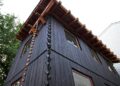
Wood siding offers a natural and timeless look to a home's exterior. It can be painted or stained in various colors to suit different architectural styles. While wood is biodegradable and environmentally friendly, it requires regular maintenance like painting, staining, and sealing to protect it from rot, pests, and moisture damage.
Without proper upkeep, wood siding can be prone to decay and warping.
Foam-backed Vinyl
Foam-backed vinyl siding combines the benefits of vinyl with added insulation properties. The foam backing helps improve energy efficiency by reducing heat loss and noise transmission. It also provides additional impact resistance and can help with uneven wall surfaces. However, foam-backed vinyl siding tends to be more expensive than traditional vinyl siding.
Installation Techniques for Scalloped Exterior Siding
Installing scalloped siding on a building requires careful planning and execution to ensure a professional finish that enhances the overall aesthetic appeal. Below are the step-by-step guidelines for successful installation along with the necessary tools and equipment.
Step-by-Step Installation Process
- Prepare the surface: Ensure the exterior surface is clean, dry, and free of any debris or existing siding.
- Measure and cut the siding: Take accurate measurements of the area to be covered and cut the scalloped siding panels accordingly.
- Start from the bottom: Begin installing the siding from the bottom of the wall, ensuring each piece overlaps securely.
- Secure the siding: Use nails or screws to secure the siding panels in place, making sure they are level and properly aligned.
- Repeat the process: Continue installing the siding panels row by row, ensuring a uniform and seamless look.
- Finish with trim: Complete the installation by adding trim pieces to the corners and edges for a polished appearance.
Tools and Equipment Needed
- Measuring tape
- Saw
- Hammer or nail gun
- Screws or nails
- Level
- Trim pieces
Common Challenges and Solutions
- Uneven surface: If the wall surface is uneven, use furring strips to create a level base for the siding installation.
- Warped panels: In case of warped siding panels, apply gentle pressure during installation to straighten them out.
- Weather conditions: Install siding on dry days to prevent moisture-related issues and ensure a secure attachment.
- Alignment issues: Use a level and take measurements frequently to ensure the siding panels are properly aligned.
Design Options and Variations
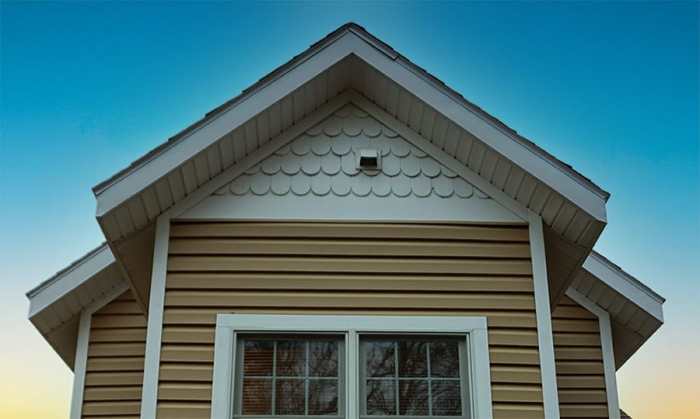
Scalloped exterior siding offers a variety of design options and variations that can enhance the visual appeal of a building. From traditional to modern styles, there are innovative ways to incorporate scalloped siding into architecture.
Design Patterns and Styles
- Fishscale Pattern: Resembling the scales of a fish, this pattern adds a unique and textured look to the exterior.
- Wave Pattern: Mimicking the movement of waves, this design creates a dynamic and flowing appearance.
- Geometric Patterns: Utilizing geometric shapes like triangles or diamonds can add a modern and abstract feel to the siding.
Incorporating Scalloped Siding in Modern Architecture
Scalloped siding can be used in conjunction with other materials such as wood, metal, or stone to create a striking contrast and blend of textures. Mixing different colors and finishes can also help achieve a contemporary look.
Color Choices and Textures
The color of scalloped siding can greatly impact the overall aesthetic of a building. Lighter colors can make a structure appear more spacious and inviting, while darker hues can add drama and sophistication. Textures like smooth, rough, or weathered finishes can further enhance the visual interest of the siding.
Final Wrap-Up
In conclusion, scalloped exterior siding offers a blend of elegance and functionality, adding a touch of sophistication to any structure. With its rich history and versatile design options, it remains a timeless choice for enhancing the aesthetic appeal of buildings.
FAQ Insights
What are the common materials used in scalloped exterior siding?
Common materials include vinyl, wood, fiber cement, and metal. Each material has its own durability and maintenance requirements, offering different aesthetic appeals and design flexibility.
How can color choices and textures impact the look of a building with scalloped siding?
Color choices and textures play a significant role in defining the visual appeal of a building. They can enhance architectural features, create depth, and evoke different moods based on the chosen combinations.
What are some innovative ways to incorporate scalloped siding in modern architecture?
Innovative approaches include mixing scalloped siding with other cladding materials, creating geometric patterns, or using contrasting colors to make a bold statement in contemporary designs.