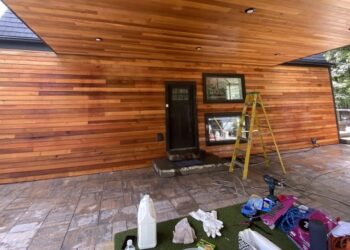

Ideal siding sets the stage for this enthralling narrative, offering readers a glimpse into a story that is rich in detail with a focus on different types, factors to consider, installation process, and maintenance. Let's dive into the world of ideal siding.
When it comes to choosing the perfect siding for your home, there are various factors to consider that go beyond just aesthetics. From materials to installation and maintenance, each aspect plays a crucial role in determining the ideal choice for your property.
Types of Ideal Siding
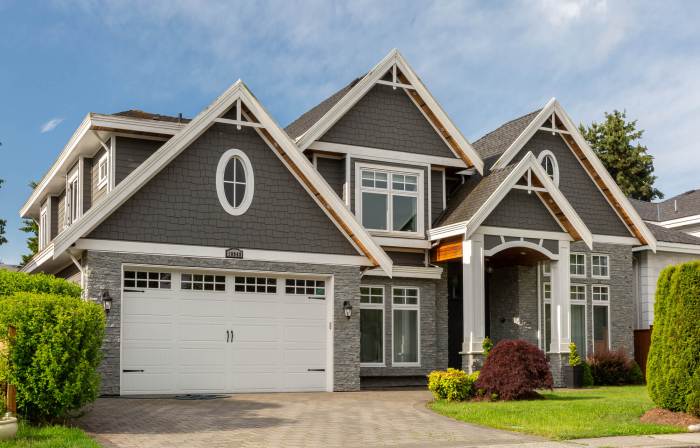
When it comes to choosing the ideal siding for your home, there are several options to consider. Each type of siding material comes with its own set of pros and cons, as well as varying levels of durability and maintenance requirements.
Vinyl Siding
Vinyl siding is a popular choice for homeowners due to its affordability and low maintenance requirements. It is available in a wide range of colors and styles, making it versatile for different architectural designs. However, vinyl siding may crack or fade over time, and it is not as durable as other materials.
Fiber Cement Siding
Fiber cement siding is known for its durability and resistance to rot, fire, and insects. It can mimic the look of wood or stucco without the maintenance requirements of those materials. However, fiber cement siding is heavier and more challenging to install, requiring professional assistance.
Wood Siding
Wood siding offers a natural and timeless look to a home, adding warmth and character. It can be painted or stained in various colors and finishes. However, wood siding requires regular maintenance, such as painting or staining to protect it from moisture and pests.
It is also susceptible to rot and decay if not properly maintained.
Metal Siding
Metal siding, such as aluminum or steel, is known for its durability and resistance to harsh weather conditions. It requires minimal maintenance and can be recycled, making it a sustainable option. However, metal siding may dent or scratch easily, and it may not offer the same aesthetic appeal as other materials.
Brick Siding
Brick siding is a durable and low-maintenance option that offers a classic and elegant look to a home. It provides excellent insulation and fire resistance. However, brick siding can be costly to install and repair, and it may limit design flexibility compared to other materials.
Factors to Consider When Choosing Siding
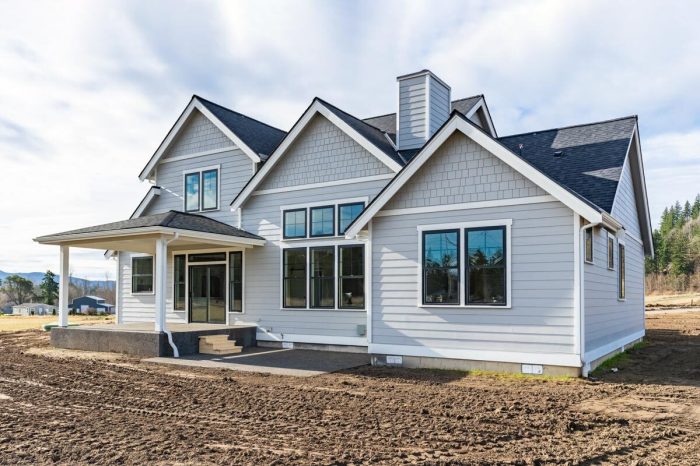
When choosing siding for your home, there are several key factors to consider that can impact your decision. These factors include climate, budget, aesthetics, maintenance, and energy efficiency.
Climate
Climate plays a crucial role in determining the best siding material for your home. For example, in areas with high humidity, you may want to choose a siding material that is resistant to mold and mildew. In regions with extreme temperatures, you might opt for a material that provides better insulation to regulate indoor temperatures effectively.
Budget
Your budget will also influence your choice of siding. Some materials are more expensive upfront but may require less maintenance over time, saving you money in the long run. Consider the cost of installation, maintenance, and repair when deciding on a siding material that fits your budget.
Aesthetics
The look of your home is important, and the siding you choose can significantly impact its curb appeal. Consider the architectural style of your home and choose a siding material that complements it. Whether you prefer a modern, traditional, or rustic look, there are various siding options available to match your aesthetic preferences.
Maintenance
The amount of maintenance required for your siding can vary depending on the material you choose. Some materials, like vinyl, are low-maintenance and only require periodic cleaning, while others, such as wood, may need regular painting or staining to keep them looking their best.
Factor in the time and effort you are willing to invest in maintaining your siding when making your decision.
Energy Efficiency
Energy efficiency is becoming increasingly important when choosing siding for your home. Opting for insulated siding can help improve the energy efficiency of your home by reducing heat loss in the winter and heat gain in the summer. This can lead to lower energy bills and a more comfortable living environment.
Installation Process for Ideal Siding

When it comes to installing ideal siding, proper preparation and attention to detail are key to ensuring a successful and long-lasting outcome. From prepping the area to the actual installation process, each step plays a crucial role in the overall quality of the siding job.
Preparing for Siding Installation
- Clean the exterior walls thoroughly to remove any dirt, dust, or debris that could affect the siding installation.
- Inspect the walls for any damage or rot that may need to be repaired before installing the siding.
- Take accurate measurements of the walls to determine the amount of siding needed for the project.
- Choose the right type of siding material based on your climate, budget, and aesthetic preferences.
Installation Process
- Start by installing a moisture barrier or house wrap to protect the walls from water damage.
- Follow manufacturer's instructions for installing the siding panels, ensuring proper overlap and alignment.
- Use the correct tools for the job, such as a nail gun, level, and saw, to ensure precise and secure installation.
- Secure the siding panels to the walls according to the manufacturer's specifications, making sure to leave room for expansion and contraction.
Tips for a Proper Installation
- Work carefully and methodically to avoid mistakes that could compromise the integrity of the siding.
- Check for proper alignment and levelness throughout the installation process to maintain a clean and uniform look.
- Pay attention to the details, such as corner pieces and trim, to ensure a professional finish.
- Consider hiring a professional siding installer if you are not confident in your DIY skills to guarantee a flawless installation.
Maintenance and Care of Ideal Siding
Proper maintenance is essential to ensure the longevity and appearance of your ideal siding. By following recommended care tasks and knowing how to spot signs of damage, you can keep your siding looking great for years to come.
Recommended Maintenance Tasks
- Regularly clean your siding with a mild detergent and water to remove dirt, mold, and mildew buildup.
- Inspect your siding for any cracks, chips, or peeling paint that may need to be repaired.
- Trim any trees or bushes near your siding to prevent damage from branches rubbing against the surface.
- Check for any signs of water damage, such as soft spots or discoloration, and address them promptly.
Spotting Signs of Damage or Wear
- Look for any warping or buckling of the siding, which could indicate water infiltration or improper installation.
- Check for any gaps or loose panels that may need to be reattached or replaced.
- Inspect the caulking and seals around windows and doors for any cracks or gaps that could allow water to seep behind the siding.
- Keep an eye out for any discoloration or fading of the siding, which may indicate sun damage or aging.
Tips for Extending Siding Lifespan
- Apply a fresh coat of paint or sealant every few years to protect the siding from the elements.
- Keep gutters clean and ensure they are not overflowing onto the siding, which can cause water damage.
- Avoid using harsh chemicals or abrasive tools when cleaning the siding, as this can damage the surface.
- Consider installing siding accessories, such as shutters or trim pieces, to add an extra layer of protection and enhance the look of your home.
Wrap-Up
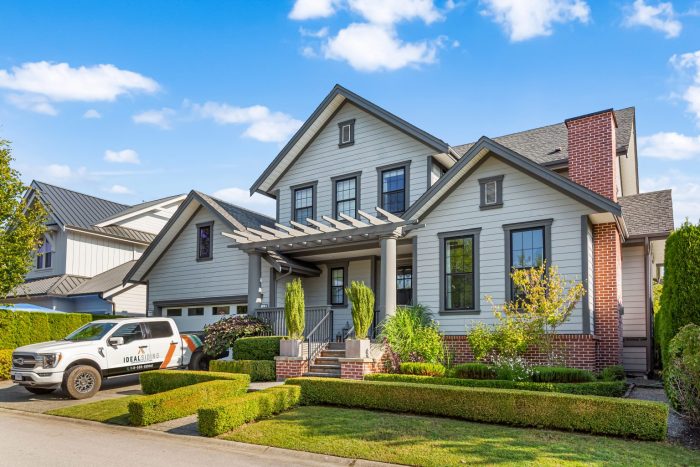
As we conclude our exploration of ideal siding, it becomes evident that the key to a durable and visually appealing exterior lies in making informed decisions based on factors such as material durability, climate considerations, and proper maintenance. By understanding the nuances of ideal siding, homeowners can ensure a long-lasting and beautiful finish for their homes.
Questions Often Asked
What are the most common types of siding materials used for homes?
Common types include vinyl, wood, fiber cement, and metal siding, each with its own set of advantages and disadvantages.
How does climate impact the choice of ideal siding?
Climate plays a significant role in selecting siding materials, with factors like temperature variations and humidity levels influencing durability and maintenance requirements.
What are some signs of damage to look out for in siding?
Signs of damage can include cracks, warping, mold growth, or discoloration, indicating the need for repairs or replacement.
How can homeowners extend the lifespan of their siding?
Regular maintenance, timely repairs, and proper cleaning can help extend the lifespan of siding, ensuring its longevity and visual appeal.