
Exploring the allure of dark blue siding on houses, this introduction sets the stage for a deep dive into this captivating topic. From its popularity to the impact on architectural styles, we unravel the mysteries behind dark blue siding in a casual formal language style.
Delve into the materials and finishes available for dark blue siding, comparing durability and discussing maintenance requirements. Learn about the installation process and tips for upkeep, along with the environmental impact and energy efficiency benefits of dark blue siding.
Choosing Dark Blue Siding
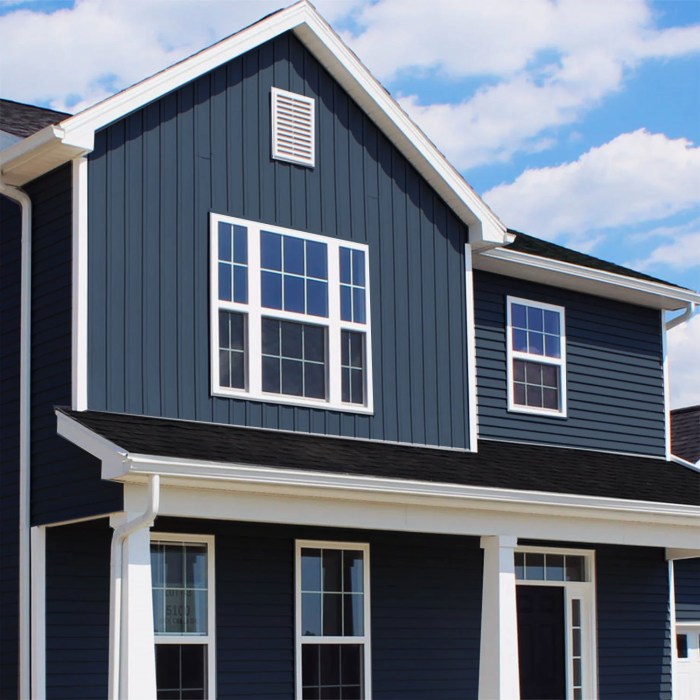
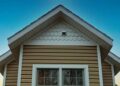
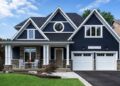
Dark blue siding has become increasingly popular for houses due to its timeless and classic appeal. The rich and bold color adds depth and sophistication to the exterior of a home, making it stand out in a neighborhood.
When it comes to choosing complementary colors for trims and accents with dark blue siding, options that work well include:
Complementary Colors for Trims and Accents
- White: A crisp white trim can create a striking contrast against dark blue siding, giving the house a clean and elegant look.
- Light Gray: Light gray trims and accents can offer a more modern and contemporary feel when paired with dark blue siding.
- Beige or Cream: Neutral tones like beige or cream can soften the boldness of dark blue siding, creating a warm and inviting appearance.
Architectural styles can also influence the choice of dark blue siding. For example:
Impact of Architectural Styles
In traditional styles such as Colonial or Cape Cod, dark blue siding can enhance the classic and timeless look of the house. On the other hand, in more modern styles like Contemporary or Mid-Century Modern, dark blue siding can add a unique and bold twist to the design.
Materials and Finishes
When it comes to dark blue siding for your house, there are various materials and finishes to consider. Each option has its own characteristics in terms of durability and maintenance requirements.
Materials Available for Dark Blue Siding
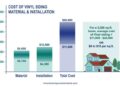
- Vinyl: Vinyl siding is a popular choice for its affordability and low maintenance. It is available in various shades of blue, including dark blue, and is easy to install.
- Fiber Cement: Fiber cement siding is known for its durability and resistance to harsh weather conditions. It can be painted in dark blue or come pre-finished in the desired color.
- Wood: Wood siding provides a natural and classic look to your home. Dark blue stain or paint can be applied to wood siding, but it may require more maintenance compared to other materials.
Comparing Durability of Different Finishes
- Vinyl: Vinyl siding is durable and can withstand fading, cracking, and warping. However, it may be prone to damage from impact.
- Fiber Cement: Fiber cement siding is highly durable and can last for many years without needing replacement. It is resistant to rot, insects, and fire.
- Wood: Wood siding, when properly maintained, can last for a long time. However, it is more susceptible to rot, pests, and moisture damage compared to vinyl and fiber cement.
Maintenance Requirements for Dark Blue Siding Materials
- Vinyl: Vinyl siding is easy to maintain and typically requires occasional cleaning with soap and water to remove dirt and grime.
- Fiber Cement: Fiber cement siding is low maintenance but may require repainting every 10-15 years to maintain its appearance and protection against the elements.
- Wood: Wood siding needs regular maintenance, including staining or painting every few years to prevent rot and protect it from the elements. It also requires regular inspections for signs of damage.
Installation and Maintenance
When it comes to installing dark blue siding on your house, it is essential to follow the manufacturer's guidelines carefully to ensure a proper and long-lasting installation. Hiring a professional contractor with experience in siding installation can also help guarantee a smooth process.
Proper Ventilation and Insulation
One crucial aspect to consider when using dark blue siding is ensuring proper ventilation and insulation in your home. Dark colors, like blue, absorb more heat from the sun, which can lead to temperature fluctuations within your home if not properly managed.
- Make sure your home has adequate ventilation to allow for proper air circulation, preventing moisture buildup and potential mold growth behind the siding.
- Proper insulation will help regulate the temperature within your home, reducing energy costs and maintaining a comfortable indoor environment.
Tips for Maintenance
Maintaining the color and quality of dark blue siding over time requires regular care and attention. Here are some tips to help you keep your siding looking its best:
- Clean your siding periodically with a mild detergent and water to remove dirt, grime, and other debris that can accumulate on the surface.
- Avoid using harsh chemicals or abrasive tools that can damage the finish of the siding.
- Inspect your siding regularly for any signs of damage, such as cracks, chips, or fading, and address them promptly to prevent further deterioration.
- Consider applying a protective coating or sealant to help preserve the color and finish of your dark blue siding and enhance its longevity.
Environmental Impact
Dark blue siding materials can have varying degrees of eco-friendliness, depending on the specific type of material used. Some common options include vinyl, fiber cement, wood, and metal. Each material has its own environmental pros and cons, such as manufacturing processes, durability, and recyclability.
Eco-Friendliness of Dark Blue Siding Materials
- Vinyl: Vinyl siding is known for being relatively low in environmental impact due to its durability and recyclability. However, the manufacturing process of vinyl can release toxic chemicals.
- Fiber Cement: Fiber cement siding is made from sustainable materials like wood pulp and cement, making it a more eco-friendly option. It is durable and can be recycled.
- Wood: Wood siding can be environmentally friendly if sourced from sustainable forests. However, it requires regular maintenance and may not be as durable as other materials.
- Metal: Metal siding, such as steel or aluminum, is highly recyclable and can have a long lifespan, reducing the need for replacement and waste.
Energy Efficiency Benefits of Dark Blue Siding
- Dark blue siding can absorb more heat from the sun, potentially reducing heating costs during colder months.
- Properly installed dark blue siding can act as an additional layer of insulation, improving the overall energy efficiency of a home.
- Choosing energy-efficient siding materials can contribute to lower energy consumption and reduced carbon emissions.
Recycling Options for Dark Blue Siding Products
- Many siding materials, such as vinyl and metal, can be recycled at specialized facilities to reduce waste and environmental impact.
- Check with local recycling centers or companies to inquire about recycling options for dark blue siding products in your area.
- Proper disposal and recycling of old siding can help prevent unnecessary waste in landfills and promote sustainable practices.
Ending Remarks
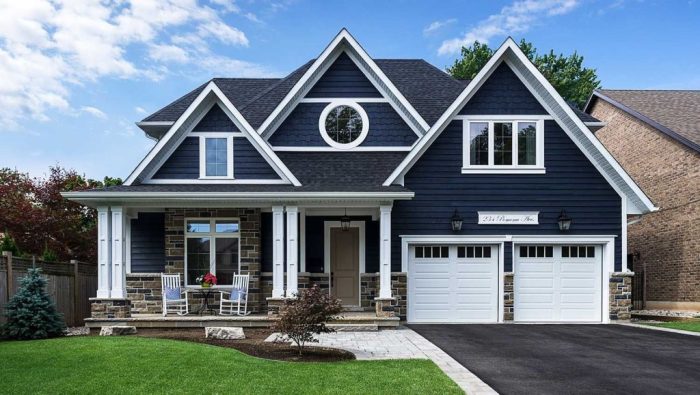
In conclusion, dark blue siding on houses offers a unique blend of elegance and durability, making it a timeless choice for homeowners. With a focus on eco-friendliness and energy efficiency, dark blue siding proves to be both stylish and sustainable.
FAQs
What are some examples of complementary colors for trims and accents with dark blue siding?
Common complementary colors include white, light gray, beige, and even a pop of red for a striking contrast.
What are the maintenance requirements for dark blue siding materials?
Regular cleaning with a mild detergent and water, along with periodic inspections for any damage or discoloration, are key for maintaining dark blue siding.
How do different architectural styles impact the choice of dark blue siding?
Architectural styles like modern or coastal can enhance the beauty of dark blue siding, while traditional styles may require specific trim colors to complement the overall look.