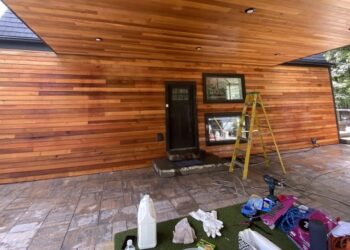

Delving into colonial siding, this introduction immerses readers in a unique and compelling narrative. Colonial siding, with its rich historical significance and various materials, has long been a staple in architectural styles. Let's explore the ins and outs of this classic siding option.
As we dive deeper, we'll uncover the installation process, maintenance requirements, and cost considerations associated with colonial siding.
Overview of Colonial Siding
Colonial siding refers to the exterior cladding or covering used on Colonial-style homes, which are inspired by the architecture of the American Colonial period. This style emerged during the 17th and 18th centuries and is characterized by symmetry, gabled roofs, and simple, yet elegant designs.
There are several materials commonly used for colonial siding, including:
Types of Materials
- Wood: Traditional and authentic choice, offering a classic look with options like cedar, pine, and redwood.
- Vinyl: Affordable and low-maintenance option that comes in various colors and styles.
- Fiber Cement: Durable and resistant to rot, insects, and fire, providing a modern twist on a traditional look.
- Brick: Adds a timeless and elegant touch to Colonial-style homes, offering durability and insulation.
Colonial siding is commonly found on homes with Colonial architectural styles, such as:
Architectural Styles
- Cape Cod: Features steep roofs, dormer windows, and symmetrical design elements.
- Georgian: Known for its grand symmetry, formal appearance, and decorative elements like columns and pediments.
- Federal: Reflects the elegance and refinement of the Federal period, often with decorative moldings and fanlights.
- Dutch Colonial: Recognized by its gambrel roof and unique shape, combining Colonial and European influences.
Installation of Colonial Siding
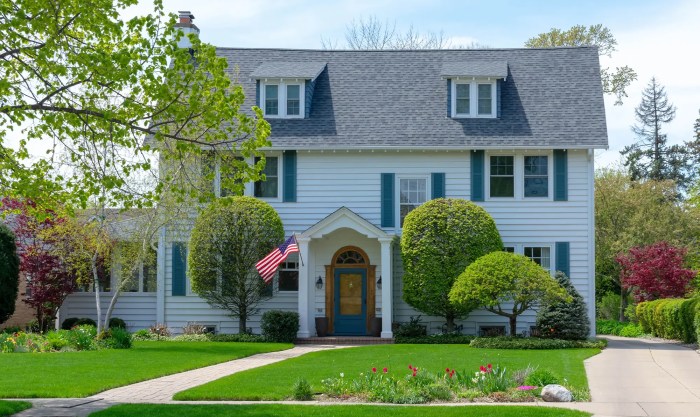
Installing colonial siding can significantly enhance the aesthetic appeal and durability of a home. Here is a step-by-step guide on how to install colonial siding, different methods of installation, and common challenges faced during the process.
Step-by-Step Guide for Installing Colonial Siding
- Prepare the surface: Ensure the wall surface is clean, dry, and free of any debris or damage.
- Measure and cut siding: Measure the dimensions of the wall and cut the siding panels accordingly using a saw.
- Install corner posts: Start by installing corner posts to provide a framework for the siding panels.
- Begin siding installation: Start from one corner of the wall and work your way horizontally, interlocking each panel securely.
- Secure siding: Use nails or screws to secure the siding panels to the wall, ensuring they are level and properly aligned.
- Finish with trim: Install trim pieces around windows, doors, and corners to give a polished look to the siding installation.
Methods of Installing Colonial Siding
- Traditional nail and hammer method: Involves manually nailing each siding panel to the wall.
- Panel adhesive method: Uses specialized adhesives to secure the siding panels to the wall without the need for nails.
- Clip installation method: Utilizes clips to attach the siding panels to the wall, providing a seamless finish.
Common Challenges and How to Overcome Them
- Uneven wall surface: Fill in any gaps or irregularities in the wall surface before installing siding to ensure a smooth finish.
- Moisture issues: Properly seal seams and edges of the siding panels to prevent moisture infiltration and potential damage.
- Improper alignment: Use a level and guide marks to ensure the siding panels are installed straight and aligned correctly.
- Trimming difficulties: Take precise measurements and use a sharp saw to cut siding panels accurately for a seamless fit.
Maintenance of Colonial Siding
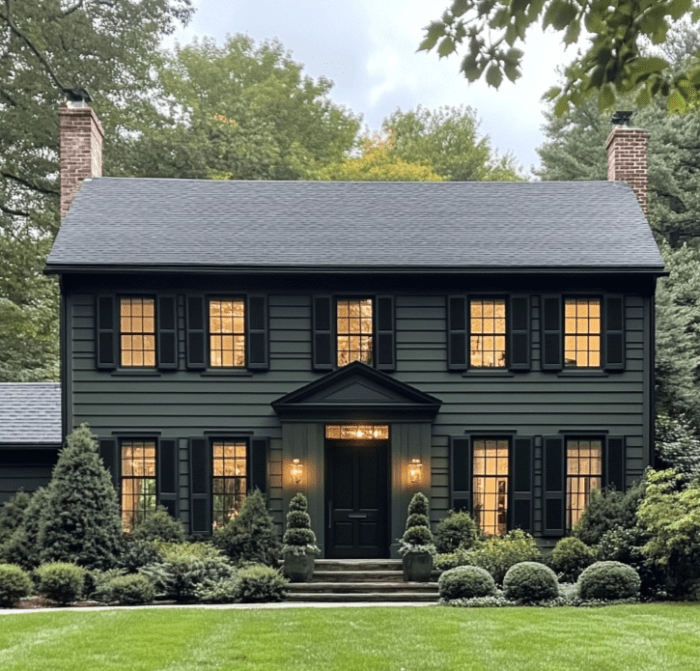
Maintaining colonial siding is essential to ensure its longevity and keep your home looking its best. Regular upkeep can help prevent damage and prolong the lifespan of the siding.
Cleaning and Caring for Different Types of Colonial Siding Materials
- For vinyl siding, use a mixture of water and mild detergent to clean off dirt and grime. Avoid using harsh chemicals or abrasive tools that can damage the surface.
- Wood siding should be cleaned with a solution of water and mild soap. Be sure to rinse thoroughly and avoid letting water sit on the wood for too long to prevent moisture damage.
- Fiber cement siding can be cleaned with a gentle scrub using a mixture of water and mild detergent. Avoid using high-pressure washers that can cause chipping or cracking.
Tips for Prolonging the Lifespan of Colonial Siding
- Inspect the siding regularly for any signs of damage, such as cracks, chips, or mold growth. Addressing issues promptly can prevent further damage.
- Trim any trees or bushes near the siding to prevent branches from scratching or damaging the surface.
- Repaint or re-seal the siding as needed to protect it from the elements and maintain its appearance.
- Avoid using abrasive cleaners or tools that can scratch or damage the siding material.
Cost Considerations for Colonial Siding
When considering colonial siding for your home, it's important to take into account various cost factors that can impact your budget. From the materials used to the installation process, here is a breakdown of the costs involved in choosing colonial siding.
Cost Factors Involved in Installing Colonial Siding
- The size of your home: The larger your home, the more materials will be needed, increasing the overall cost of installation.
- Material choice: Different materials, such as vinyl, wood, or fiber cement, come at varying price points, affecting the total cost of the project.
- Labor costs: Hiring professionals for installation will add to the overall cost, but ensure a proper and efficient job.
- Additional features: Extras like trim work, insulation, or decorative elements can also impact the final cost of colonial siding installation.
Comparison of Costs for Different Colonial Siding Materials
- Vinyl siding: Generally the most affordable option, offering durability and low maintenance.
- Wood siding: A traditional choice with a higher upfront cost, but adds a classic look to your home.
- Fiber cement siding: A mid-range option that combines durability and aesthetics, but may require professional installation.
Return on Investment of Choosing Colonial Siding
- Increased property value: Colonial siding can enhance the curb appeal of your home, potentially raising its resale value.
- Energy efficiency: Certain types of siding can improve insulation, leading to lower energy bills and long-term savings.
- Longevity: Quality colonial siding can last for decades with proper maintenance, providing a lasting investment for your home.
Conclusion
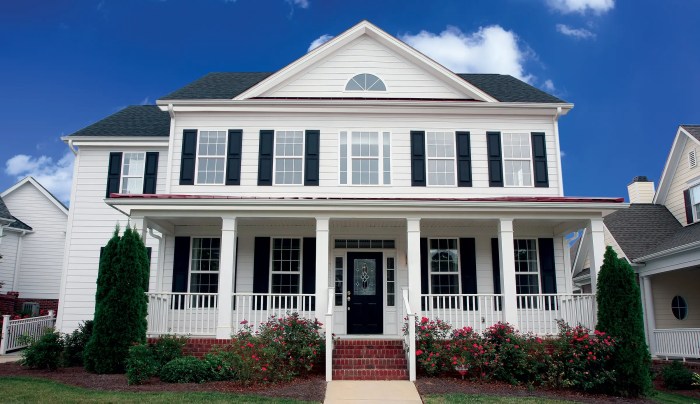
In conclusion, colonial siding offers a timeless elegance to homes while requiring specific care and attention. By understanding its installation, maintenance, and costs, homeowners can make informed decisions about this enduring siding choice.
FAQ
What are the common materials used in colonial siding?
Common materials include wood, vinyl, fiber cement, and aluminum. Each material has its own benefits and considerations.
How often should colonial siding be maintained?
It's recommended to clean colonial siding annually and inspect for any damage. Repainting or resealing may be needed every few years depending on the material.
Is colonial siding a good investment?
Colonial siding can increase a home's curb appeal and value, potentially offering a good return on investment. Factors like material quality and proper installation play a role.