
Exploring the world of house siding options, this introduction sets the stage for a detailed look into the best choices available. From vinyl to wood to fiber cement and metal siding, each option brings its own set of benefits and considerations, making the decision-making process both exciting and crucial for homeowners.
As we delve deeper into the specifics of each type of siding, you'll gain a better understanding of how aesthetics, durability, and maintenance play a crucial role in determining the best house siding for your home.
Overview of House Siding Options
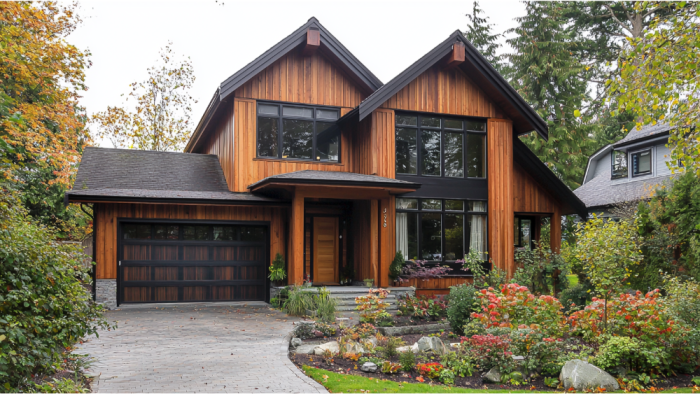
Choosing the right house siding is crucial for both the aesthetics and functionality of a home. It not only enhances the curb appeal but also provides protection against the elements. Factors to consider when selecting house siding options:
Material
- Vinyl: Affordable, low maintenance, and versatile.
- Wood: Traditional, natural appeal, but requires more maintenance.
- Fiber Cement: Durable, resistant to fire, insects, and rot.
- Brick: Classic, long-lasting, but expensive to install.
- Stucco: Versatile, energy-efficient, but may require regular maintenance.
The impact of house siding on aesthetics and functionality:
Aesthetics
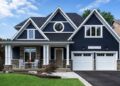
The choice of house siding can significantly impact the overall look of a home. Different materials, colors, and textures can create various styles, from modern to traditional, enhancing the curb appeal and increasing property value.
Functionality
House siding serves as a protective barrier against harsh weather conditions, such as rain, snow, and UV rays. It also helps in insulating the home, reducing energy costs, and improving overall comfort. The right siding material can contribute to the longevity and structural integrity of a house.
Vinyl Siding
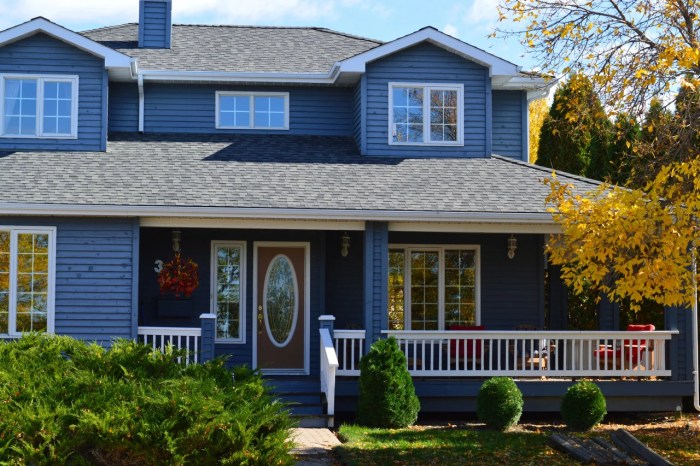
Vinyl siding is a popular choice for homeowners due to its numerous benefits. It is known for its versatility, affordability, and low maintenance requirements.
Benefits of Vinyl Siding
- Cost-Effective: Vinyl siding is one of the most affordable options when it comes to house siding. It provides a great return on investment due to its durability and low maintenance costs.
- Versatile: Vinyl siding comes in a wide range of colors and styles, allowing homeowners to choose a look that complements their home's aesthetic.
- Low Maintenance: Unlike other siding materials that require regular painting or staining, vinyl siding only needs occasional cleaning with soap and water to maintain its appearance.
Cost-Effectiveness of Vinyl Siding
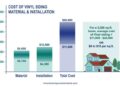
- Initial Cost: Vinyl siding is cheaper to install compared to materials like wood or fiber cement.
- Long-Term Savings: Its durability and low maintenance requirements result in cost savings over time, making it a cost-effective choice for homeowners.
Durability and Maintenance of Vinyl Siding
- Durability: Vinyl siding is resistant to rot, moisture, and insects, making it a long-lasting option for homes in various climates.
- Maintenance: As mentioned earlier, vinyl siding requires minimal maintenance, eliminating the need for frequent repainting or repairs.
- Warranty: Many vinyl siding manufacturers offer warranties that cover fading, cracking, and other issues, providing homeowners with added peace of mind.
Wood Siding
Wood siding is a popular choice for homeowners looking to add a natural, rustic charm to their homes. The aesthetic appeal of wood siding lies in its warm, inviting look that can complement various architectural styles.
Types of Wood Used for Siding
- Cedar: Known for its durability and natural resistance to rot and insects, cedar is a popular choice for wood siding.
- Pine: Pine siding is more affordable than cedar and can be treated to enhance its durability.
- Spruce: Spruce siding offers a more budget-friendly option while still providing a classic wood look.
Maintenance Challenges
Wood siding requires regular maintenance to ensure its longevity. This includes:
- Sealing and staining: Wood siding needs to be sealed and stained periodically to protect it from moisture and UV damage.
- Repairs: Over time, wood siding may develop cracks, rot, or insect damage that will need to be repaired promptly.
- Cleaning: Regular cleaning is essential to prevent mold, mildew, and dirt buildup on the wood surface.
Fiber Cement Siding
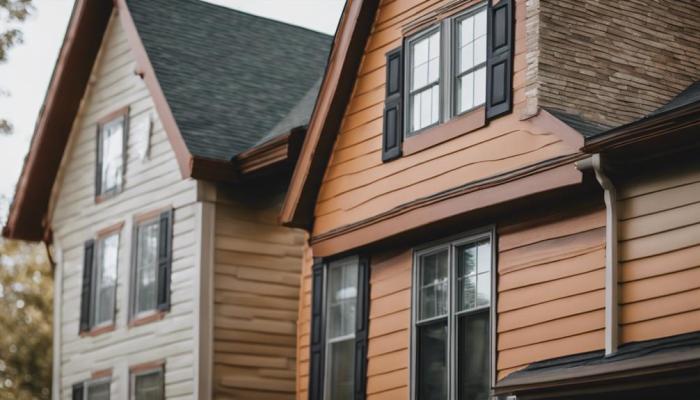
Fiber cement siding is a popular choice for homeowners looking for a durable and low-maintenance option to protect their homes.
Advantages of Fiber Cement Siding
- High durability: Fiber cement siding is resistant to rot, impact, and pests, making it a long-lasting option for your home.
- Low maintenance: Unlike wood siding, fiber cement siding does not require frequent painting or staining, reducing upkeep costs.
- Fire-resistant: Fiber cement siding is non-combustible, providing an added layer of protection for your home.
- Versatile styles: Fiber cement siding comes in a variety of colors and textures, allowing homeowners to customize the look of their homes.
Durability of Fiber Cement Siding
Fiber cement siding is known for its exceptional durability compared to other siding materials. It can withstand harsh weather conditions, such as extreme heat and cold, without warping or cracking. Additionally, fiber cement siding is resistant to pests and moisture, preventing issues like rot or mold growth.
Installation Process and Costs of Fiber Cement Siding
Installing fiber cement siding can be a bit more labor-intensive compared to other siding options due to its weight and composition. The process involves cutting the siding to fit the dimensions of the home and securing it in place. While the installation costs may be higher upfront, the long-term durability and low maintenance requirements of fiber cement siding make it a cost-effective choice for homeowners in the long run.
Metal Siding
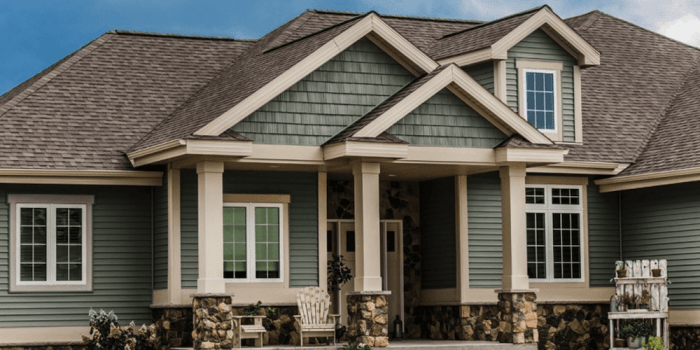
Metal siding offers a modern and sleek look for homes, adding a contemporary touch to the exterior. Its smooth surface and clean lines can complement a variety of architectural styles, from traditional to minimalist designs.
Longevity and Sustainability
Metal siding is known for its exceptional durability, making it a long-lasting option for homeowners. With proper maintenance, metal siding can withstand harsh weather conditions, such as heavy rain, snow, and high winds, without deteriorating. Additionally, metal siding is resistant to rot, pests, and fire, further enhancing its sustainability.
Insulation Properties
While metal is a conductor of heat and cold, modern metal siding options often come with insulation materials attached to improve energy efficiency. These insulation layers help regulate the temperature inside the home, reducing heating and cooling costs. Additionally, metal siding reflects sunlight, preventing heat absorption and keeping the interior cooler during hot weather.
Closing Notes
In conclusion, the journey through the realm of house siding options has shed light on the diverse array of choices available to homeowners. Whether you prioritize cost-effectiveness, aesthetic appeal, or sustainability, the key takeaway is to select the siding that aligns best with your unique needs and preferences.
Your home's exterior is a canvas waiting to be transformed, and with the right siding choice, you can enhance both its beauty and functionality.
Query Resolution
What factors should I consider when choosing house siding?
Consider factors like durability, maintenance requirements, cost, aesthetic appeal, and climate suitability when selecting house siding options.
Is vinyl siding a cost-effective option compared to others?
Vinyl siding is generally considered cost-effective due to its low initial cost, minimal maintenance requirements, and durability, making it a popular choice among homeowners.
What are the maintenance challenges associated with wood siding?
Wood siding requires regular maintenance such as painting, staining, and protection against pests and moisture to ensure its longevity and aesthetic appeal.
How does the installation process and cost of fiber cement siding compare to other materials?
The installation process of fiber cement siding can be more labor-intensive, but its durability and low maintenance needs often outweigh the initial higher installation costs.
Do metal sidings offer good insulation properties?
Metal sidings can provide decent insulation properties, helping to regulate indoor temperatures and potentially reduce energy costs in the long run.