
Embark on a journey through the world of siding renovation, where we uncover the ins and outs of transforming your home's exterior. From material choices to design trends, this guide covers it all in a captivating manner, setting the stage for an enlightening read.
As we delve deeper, you'll gain insights into the factors that shape siding decisions and the innovative techniques that ensure a successful renovation project.
Types of Siding Materials
Vinyl, wood, fiber cement, and metal are some of the most common siding materials used in renovations. Each material has its own set of advantages and disadvantages, making it important to consider various factors before making a decision.
Vinyl Siding
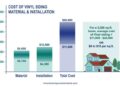
Vinyl siding is a popular choice due to its affordability and low maintenance requirements. It is available in a wide range of colors and styles, making it versatile for different design preferences. However, vinyl siding may crack or fade over time, and it is not as durable as some other materials.
Wood Siding
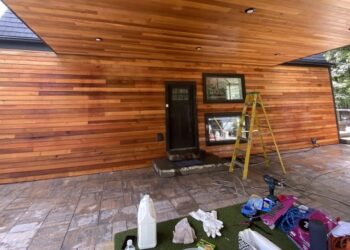
Wood siding offers a natural and classic look to a home. It is environmentally friendly and can be painted or stained to achieve a desired aesthetic. However, wood siding requires regular maintenance, such as painting or sealing to prevent rot, pests, and moisture damage.
Fiber Cement Siding
Fiber cement siding is a durable and fire-resistant option that mimics the look of wood without the high maintenance requirements. It is resistant to rot, pests, and harsh weather conditions, making it a long-lasting choice. However, fiber cement siding can be more expensive than other materials and may require professional installation.
Metal Siding
Metal siding, such as aluminum or steel, is known for its strength and durability. It is resistant to rot, pests, and fire, making it a low-maintenance option. However, metal siding may dent or scratch easily, and it can be prone to rust if not properly maintained.
Factors to Consider Before Renovating Siding
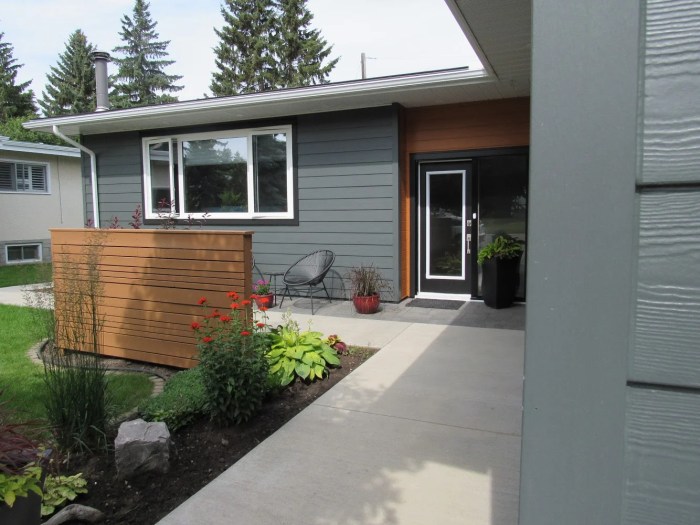
Before embarking on a siding renovation project, homeowners should carefully consider various factors that can impact the outcome of the project. Factors such as climate, location, architectural style, and budget play a crucial role in determining the most suitable siding material for the house.
Climate and Location Influence
When choosing a siding material, it is essential to take into account the climate and location of the property. For instance, homes located in areas with high humidity or frequent rain may require siding materials that are resistant to moisture and mold.
Similarly, houses in regions with extreme temperature changes should opt for materials that can withstand such conditions without warping or cracking.
- Consider vinyl siding for its durability and low maintenance in humid climates.
- Opt for fiber cement siding in areas prone to wildfires for its fire-resistant properties.
- Choose metal siding for its ability to withstand harsh weather conditions like heavy snow or strong winds.
Architectural Style and Budget Considerations
The architectural style of the home can also influence the choice of siding material. Traditional or historic homes may look best with wood siding to maintain their authentic appearance, while modern homes can benefit from the sleek look of metal or vinyl siding.
Additionally, budget constraints can play a significant role in the selection process, as some materials may be more cost-effective than others.
- Wood siding adds a timeless charm to historic homes but may require more maintenance over time.
- Brick or stone veneer siding can provide a luxurious look but comes at a higher price point.
- Vinyl siding offers a budget-friendly option with various colors and styles to choose from.
Siding Design and Color Trends
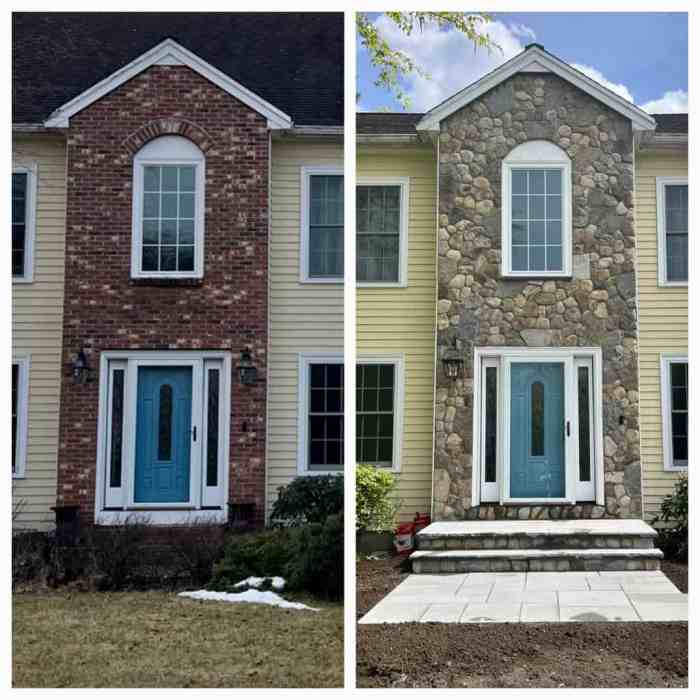
When it comes to siding design and color trends, there are several options to consider that can elevate the overall look of your home. Choosing the right design and color can significantly impact the curb appeal and aesthetic appeal of your property.
Popular Siding Designs for Increased Curb Appeal
- Vertical Siding: Vertical siding has gained popularity in recent years for its modern and sleek look. It can make a home appear taller and more elegant.
- Board and Batten: This classic siding design features alternating wide boards and narrow strips, creating a rustic and charming look. It adds texture and visual interest to the exterior of a home.
- Shake Siding: Mimicking the look of cedar shakes, this type of siding adds a natural and cozy feel to a home. It is a popular choice for cottages and farmhouse-style properties.
Enhancing Aesthetics Through Color Selection
Choosing the right color for your siding can completely transform the look of your home. Consider the architectural style of your property, the surrounding landscape, and your personal preferences when selecting a color.
- Neutral Tones: Neutral colors like beige, gray, and white are timeless choices that can complement a variety of architectural styles. They can create a clean and sophisticated appearance.
- Bold Colors: For those looking to make a statement, bold colors like navy blue, forest green, or deep red can add personality and flair to a home. These colors work well on modern and contemporary properties.
- Earth Tones: Earthy hues like terracotta, olive green, and warm browns can create a cozy and inviting look. They blend well with natural surroundings and can give a home a warm and welcoming feel.
Siding Installation Techniques
When it comes to siding installation, proper techniques are crucial to ensure the longevity and efficiency of the siding. This involves a series of steps and considerations to prepare for the installation process.
Preparing for Siding Installation
Before starting the siding installation, it is essential to prepare the exterior of the house properly. This includes cleaning the surface, repairing any damaged areas, and ensuring that the area is free of debris.
- Inspect the existing siding for any signs of damage or wear and tear.
- Remove any old siding or materials that may interfere with the new installation.
- Ensure that the surface is smooth and level to provide a proper base for the new siding.
Importance of Proper Insulation and Moisture Barrier Installation
Proper insulation and moisture barrier installation are critical to protect the home from elements such as water damage, mold, and energy loss.
- Install insulation to improve energy efficiency and maintain a comfortable indoor temperature.
- Add a moisture barrier to prevent water infiltration and protect the integrity of the siding.
- Properly seal all joints and seams to ensure a tight barrier against moisture penetration.
Best Practices for Installing Siding
Following best practices during the siding installation process will help ensure a durable and efficient outcome.
- Start by installing the siding at the bottom of the wall and work your way up to ensure proper alignment.
- Use the correct fasteners and follow manufacturer guidelines for spacing and installation methods.
- Overlap siding panels correctly to provide adequate protection against the elements.
- Finish the installation with trim pieces to provide a clean and polished look.
Final Conclusion
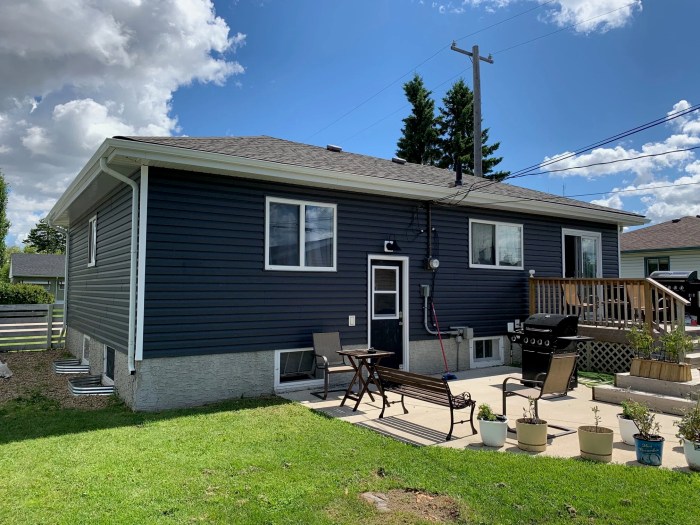
In conclusion, siding renovation offers a myriad of possibilities to enhance your home's appeal and functionality. With the right knowledge and approach, you can elevate your property's aesthetics and value through a well-executed renovation.
FAQ Corner
What are the main types of siding materials used in renovations?
Common siding materials include vinyl, wood, fiber cement, and metal, each with its own set of advantages and considerations.
How does climate impact the choice of siding material?
Climate plays a crucial role in determining the best siding material, as some are better suited for specific weather conditions than others.
Why is proper insulation essential during siding installation?
Proper insulation helps maintain energy efficiency and protects your home from external elements, ensuring longevity for your siding.
What are some popular siding design trends?
Current trends include sleek modern designs, bold colors, and mix-and-match textures to create visual interest.